

#48 Extreme weather events: Cost and resilience
Australia faces the likelihood of more frequent and destructive extreme weather events in the coming decades due to climate change. In terms of damage to infrastructure from such events, roads tend to be hit hardest, impacting road users, communities, industry and all levels of government. Acknowledging the impacts of floods in eastern States in 2021-22, a 2023 Parliamentary Inquiry into the issue reported estimated costs of road repairs and rebuilds of approximately $3.8 billion[1]. Taking into account other extreme events such as bushfires as well as floods and storm damage, Infrastructure Victoria estimated the cost of these events at $2.7 billion per year from 2007-2016[2].
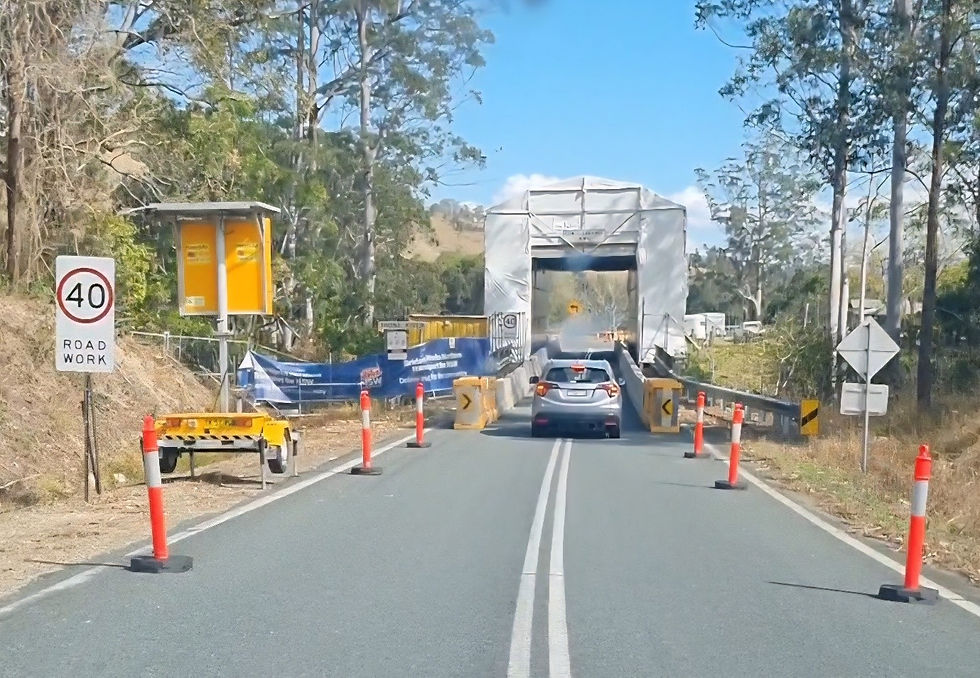
The 2023 Parliamentary Inquiry resulted in 26 recommendations, including (#15) to “revise national road infrastructure design and construction standards” to promote adaptation and resilience. Recent reports from a range of sources reiterate this need for adaptation to build greater resiliency in the road network at local, regional and national levels. This calls for a proactive approach to maintenance, repairs and upgrades, which does not wait for failure of infrastructure to stimulate investment, recalling the “stitch in time saves nine” proverb.
Although a holistic approach involves high-level policy and strategies, Infrastructure Victoria offers some examples of what adaptation looks like in practice at local levels, including:
Better flood preparation through water sensitive urban design
Improving the ability of roads to withstand flooding with techniques such as foamed bitumen stabilisation
Using insulated cables to reduce the impacts of high winds on electricity distribution networks.
In a separate report from the Australian Local Government Association (ALGA), additional initiatives are noted, including the use of recycled tyres for road surfacing, and advanced technologies in construction vehicles and equipment, among others. According to the ALGA, higher short-term costs will be recovered through more durable and sustainable infrastructure, where “rebuilding these roads to current standards would only cost Australian communities more in the long term”.
[1] Parliament of Australia, Inquiry into the implications of severe weather events on the national regional, rural, and remote road network. December 2023.
[2] Infrastructure Victoria, Weathering the storm: adapting Victoria’s infrastructure to climate change, April 2024.


